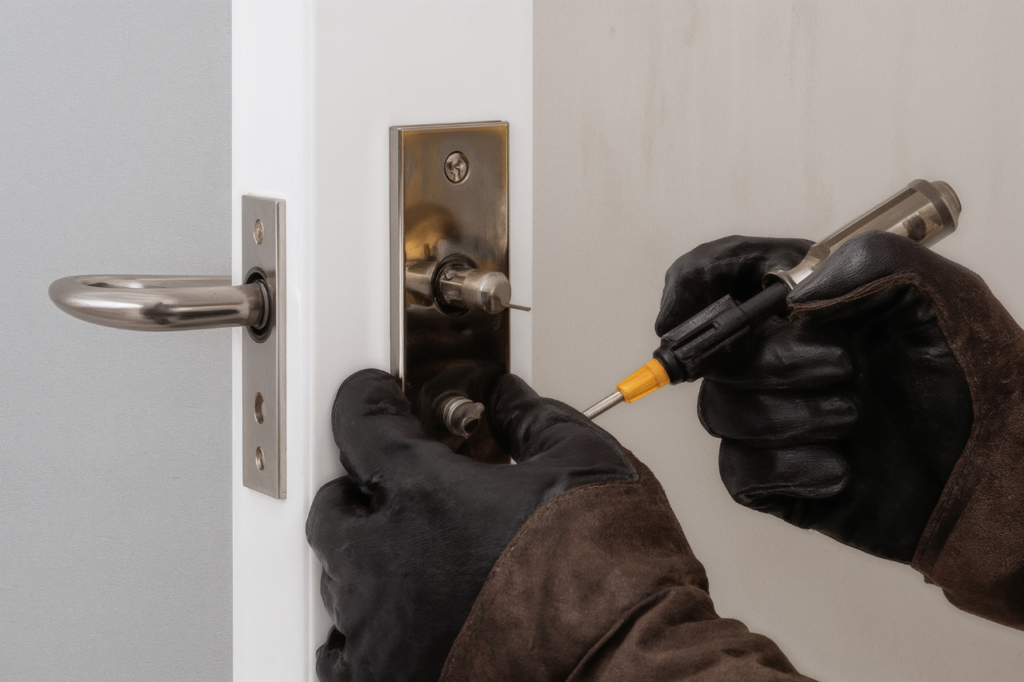
Most homeowners assume that simply locking the door is enough to keep intruders out. Unfortunately, burglars are experts at exploiting weaknesses in standard locks, and many people don’t realise just how vulnerable their property can be. Understanding how burglars break locks and how to prevent it is the first step toward true home security.
Knowing the common methods criminals use allows homeowners to make informed decisions about lock upgrades, reinforcements, and additional security measures. Without this knowledge, a standard lock can provide only the illusion of safety, leaving doors, windows, and other entry points exposed.
Police and crime reports from across the UK consistently show that the majority of break-ins involve forced entry through doors rather than windows. This demonstrates why learning how burglars break locks and how to prevent it is essential—not just for protecting valuables but for ensuring the safety of your family.
Furthermore, many homeowners invest in expensive alarm systems or cameras without realising that weak locks can render these measures less effective. Burglars often focus on speed and silence; a poorly secured door may be breached in under a minute. This highlights the importance of understanding how burglars break locks and how to prevent it as part of a comprehensive security plan.
By educating yourself on the techniques criminals use, you can take proactive steps to choose the right locks, reinforce doors, and implement supplementary measures that make your property significantly harder to target. Remember, how burglars break locks and how to prevent it isn’t just theoretical—it’s practical knowledge that can save you from a traumatic and costly burglary.
Lock Snapping — The UK’s Most Common Burglary Method
Lock snapping has become one of the most common methods burglars use to gain entry into homes across the UK. This technique specifically targets euro cylinder locks, which are found on the majority of uPVC and composite doors. Understanding how burglars break locks and how to prevent it is critical, especially since lock snapping is fast, quiet, and highly effective.
How Lock Snapping Works
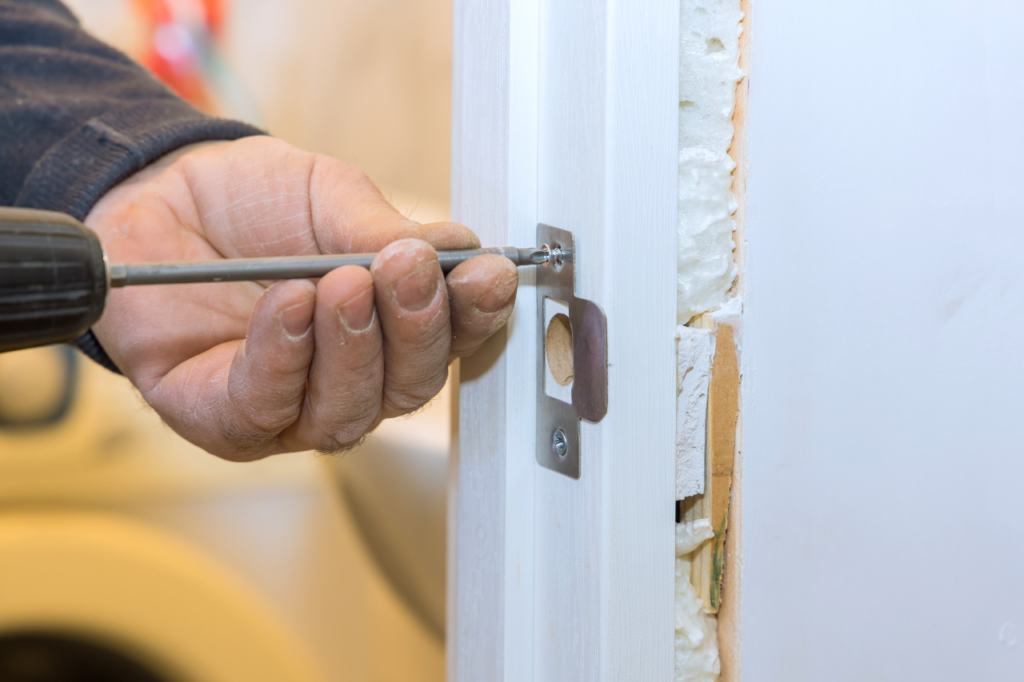
Burglars apply force to the exposed part of the cylinder using pliers or other simple hand tools. The cylinder snaps cleanly in two, leaving the internal mechanism exposed. Once the cylinder is broken, the door can be opened in seconds without leaving obvious damage.
Lock snapping isn’t a sophisticated technique, but it’s highly efficient. Many homeowners are unaware that their lock can be compromised in under 30 seconds. Knowing how burglars break locks and how to prevent it helps you realise why standard locks alone are often not enough to secure your property.
High-Risk Doors
Doors with euro cylinders that protrude beyond the door surface are especially vulnerable. Cheap locks and older cylinders without anti-snap features are prime targets. Criminals often test doors quickly before moving on, meaning your home could be at risk even if you live in a relatively quiet area.
Preventing Lock Snapping
To defend against this technique, the best approach is prevention:
- Install anti-snap cylinders: Look for TS007 3-star rated or Sold Secure Diamond locks. These are designed to resist snapping attempts.
- Recess the cylinder: Ensure the lock does not protrude from the door, reducing leverage for potential attackers.
- Reinforce door handles: Use reinforced or anti-drill handles to add extra protection.
By taking these preventive measures, homeowners can significantly reduce the risk of falling victim to lock snapping. Educating yourself about how burglars break locks and how to prevent it ensures that your doors are not an easy target.
Summary
Lock snapping demonstrates how quickly burglars can exploit weak points in common locks. Understanding how burglars break locks and how to prevent it allows homeowners to make smart choices about cylinder types, reinforcements, and security upgrades. Investing in the right locks is not just about peace of mind—it’s about staying one step ahead of criminals.
Lock Picking — Quiet but Effective
Lock picking is another method burglars use to gain entry, and although it is less common than lock snapping, it remains a serious threat to homes with older or lower-quality locks. Understanding how burglars break locks and how to prevent it is essential for anyone who wants to secure their property effectively.
How Lock Picking Works
Lock picking involves manipulating the internal pins of a lock with specialized tools, such as tension wrenches and picks. Skilled burglars can open standard cylinder locks quietly and without leaving visible damage, making it one of the stealthiest forms of forced entry.
The method relies on precision rather than brute force. While it requires more skill than snapping, even inexperienced criminals can exploit worn or cheap locks. This is why learning how burglars break locks and how to prevent it is critical for homeowners who assume that any lock will suffice.
Locks Most at Risk
Older locks or cylinders without anti-pick features are especially vulnerable. Many uPVC doors installed years ago have locks that do not meet modern security standards, making them an easy target. Even a well-maintained home can be compromised if the locks themselves are outdated.
Preventing Lock Picking
To defend against this type of attack, homeowners should:
- Upgrade to anti-pick cylinders that include security pins.
- Replace old or stiff locks to ensure they meet current security standards.
- Use locks with drill-resistant and pick-resistant features, adding another layer of defence.
By taking these measures, you can significantly reduce the risk of someone exploiting your locks. Knowing how burglars break locks and how to prevent it empowers you to make smart choices about which locks to install and maintain.
Why Awareness Matters
Many homeowners overlook the importance of understanding burglary methods until it’s too late. Lock picking is silent, fast, and often unnoticed by neighbours, which is why preventative measures are crucial. Learning how burglars break locks and how to prevent it ensures that your home is prepared before a criminal ever attempts entry.
Lock Bumping — A Silent Entry Method
Lock bumping is one of the most underestimated burglary techniques, yet it remains surprisingly effective against many standard locks found in UK homes. Understanding how burglars break locks and how to prevent it helps homeowners recognise why this method is so dangerous.
What Is Lock Bumping?
Lock bumping involves using a specially cut “bump key” that fits inside a cylinder lock. When struck with a small tool, the key causes the internal pins to jump momentarily, allowing the lock to turn. The process is quick, quiet, and leaves almost no visible damage.
Because of its simplicity, lock bumping has become popular among criminals with little technical skill. This is exactly why learning how burglars break locks and how to prevent it is essential, especially for properties relying on basic cylinder locks.
Why Lock Bumping Is Hard to Detect
One of the biggest risks of lock bumping is that it leaves minimal evidence. Homeowners may return to find their door unlocked with no obvious signs of forced entry. This can complicate insurance claims and delay recognising that a burglary has even occurred.
Without understanding how burglars break locks and how to prevent it, many people mistakenly assume their lock is secure simply because it hasn’t been physically damaged.
How to Prevent Lock Bumping
Protecting your home from lock bumping starts with choosing the right locks. Effective prevention methods include:
- Installing anti-bump cylinders with specially designed security pins.
- Upgrading to 3-star British Standard locks that resist multiple attack methods.
- Replacing old locks that predate modern anti-bump technology.
Taking these steps significantly reduces the risk of bump key attacks. When homeowners understand how burglars break locks and how to prevent it, they are far less likely to rely on outdated security solutions.
Why Prevention Is Key
Lock bumping thrives on homeowner awareness gaps. By educating yourself on how burglars break locks and how to prevent it, you remove one of the easiest entry points criminals depend on and strengthen your home’s overall security posture.
Drilling and Forcing Locks — When Burglars Use Brute Force
When stealth methods fail, burglars often resort to brute force. Drilling and forcing locks is a destructive but effective technique, particularly against low-quality or poorly maintained locks. Understanding how burglars break locks and how to prevent it helps homeowners recognise why stronger lock construction matters.
How Burglars Drill Locks
Drilling involves using a power drill to destroy the internal components of a lock cylinder. Once the pins or cam mechanism are damaged, the lock can be turned easily with basic tools. This method is noisy but fast, often taking less than a minute on weak locks.
Burglars typically target locks without hardened steel pins or anti-drill plates. Without knowing how burglars break locks and how to prevent it, homeowners may unknowingly install locks that offer little resistance to drilling attacks.
Forcing Locks with Physical Pressure
Forcing a lock doesn’t always involve tools like drills. Burglars may use screwdrivers, crowbars, or excessive pressure to snap or twist the lock until it fails. Doors with misaligned frames or worn locking mechanisms are especially vulnerable.
This highlights why understanding how burglars break locks and how to prevent it goes beyond the lock itself and includes door strength, fittings, and overall installation quality.
Locks Most Vulnerable to Drilling and Force
Certain locks are far easier to defeat than others, including:
- Older euro cylinder locks without anti-drill protection
- Cheap replacement locks that do not meet British Standards
- Locks installed incorrectly or combined with weak door hardware
Knowing how burglars break locks and how to prevent it allows homeowners to avoid these common security mistakes.
Preventing Drilling and Forced Entry
To reduce the risk of drilling and forced lock attacks, homeowners should:
- Install anti-drill cylinders with hardened steel pins
- Upgrade to BS EN 1303 certified locks
- Reinforce door frames and strike plates
- Ensure locks are fitted professionally and aligned correctly
These upgrades significantly increase resistance and discourage burglars who rely on speed. When criminals encounter strong resistance, they are far more likely to abandon the attempt.
Why Lock Strength Matters
Brute force attacks depend on weakness and opportunity. By understanding how burglars break locks and how to prevent it, homeowners can eliminate easy targets and make their property far less appealing to opportunistic criminals.
Weak Door Frames and Poor Installation
Even the strongest lock can fail if it’s installed into a weak door or poorly fitted frame. Many burglaries succeed not because of advanced techniques, but because doors and frames simply give way under pressure. Understanding how burglars break locks and how to prevent it means looking beyond the lock itself.
Why Door Frames Matter
Burglars often apply force to the door rather than the lock, knowing that a weak frame can split or bend. Wooden frames that have aged, cracked, or warped are particularly vulnerable. Once the frame breaks, the lock becomes irrelevant.
Homeowners who don’t understand how burglars break locks and how to prevent it may focus on lock upgrades while ignoring structural weaknesses that burglars exploit easily.
Poor Lock Installation Risks
Incorrect installation is another major security risk. Locks that are misaligned, loosely fitted, or improperly sized can fail even under moderate force. In many cases, burglars don’t need specialised tools—just pressure and timing.
This reinforces why knowing how burglars break locks and how to prevent it includes choosing professional locksmith installation rather than DIY fixes.
Common Installation Mistakes
Some of the most common errors include:
- Locks not aligned correctly with strike plates
- Short or weak screws securing door hardware
- Gaps between the door and frame that allow leverage
Each of these flaws creates an opportunity for forced entry. Learning how burglars break locks and how to prevent it helps homeowners identify and correct these vulnerabilities early.
How to Strengthen Doors and Frames
To improve security and reduce break-in risk, homeowners should:
- Reinforce door frames with metal or security plates
- Use long, hardened screws in hinges and strike plates
- Ensure doors close tightly without movement or gaps
- Have locks professionally installed and tested
These measures work alongside high-quality locks to create a stronger overall barrier.
The Bigger Security Picture
Burglars look for the easiest point of entry. When doors, frames, and locks work together, the effort required increases significantly. Understanding how burglars break locks and how to prevent it allows homeowners to address weaknesses holistically rather than relying on a single solution.
How Burglars Target Windows and Secondary Entry Points
While doors are the most common access point, burglars frequently exploit windows and secondary entrances to avoid attention. Many homeowners focus solely on front-door security without fully understanding how burglars break locks and how to prevent it across the entire property.
Why Windows Are an Easy Target
Windows often have weaker locking mechanisms than doors, especially on ground floors or at the rear of the property. Older window locks can be forced open quietly, giving burglars fast access without triggering alarms.
Without awareness of how burglars break locks and how to prevent it, homeowners may overlook windows as a critical part of their security strategy.
Rear and Side Doors
Side entrances, patio doors, and back doors are common targets because they are usually hidden from public view. Burglars know these doors often have lower-grade locks or outdated cylinders.
Understanding how burglars break locks and how to prevent it helps property owners realise that every access point must meet the same security standard as the front door.
Common Weaknesses Burglars Exploit
Burglars typically look for:
- Sliding doors without anti-lift protection
- Windows with broken or loose locks
- Doors with single-point locking systems
- Poor exterior lighting around access points
These weaknesses make entry faster and less risky. Knowing how burglars break locks and how to prevent it allows homeowners to address these issues proactively.
How to Secure Secondary Entry Points
To reduce vulnerability, homeowners should:
- Install key-operated window locks
- Upgrade patio doors with anti-snap and anti-lift features
- Add motion-activated lighting around doors and windows
- Ensure all secondary locks meet modern security standards
These improvements work together to discourage burglars and increase the time and effort needed to gain access.
Why Full-Property Security Matters
Burglars choose the easiest route in, not the most obvious one. When all entry points are properly secured, the risk becomes too high for most criminals. Understanding how burglars break locks and how to prevent it ensures that no weak link is left behind.
Choosing the Right Locks to Prevent Burglary
Selecting the correct locks is one of the most effective ways to safeguard your home. Understanding how burglars break locks and how to prevent it starts with knowing which locks can withstand modern burglary techniques. Not all locks offer equal protection, and investing in high-quality options can make the difference between a thwarted attempt and a costly break-in.
Why Lock Quality Matters
Many homeowners focus on aesthetics or price rather than security. Cheap or outdated locks are often the first choice for burglars because they can be snapped, picked, or bumped easily. Learning how burglars break locks and how to prevent it emphasizes that a strong, certified lock is a homeowner’s best defense.
Recommended Lock Types
To maximise security, consider the following:
- TS007 3-Star Anti-Snap Cylinders: Resistant to snapping, picking, and drilling
- BS3621 Mortice Deadlocks: Durable and compliant with insurance standards
- High-Security Euro Cylinders: Offer anti-bump, anti-pick, and anti-drill protection
These lock types directly address the techniques burglars use, ensuring a robust first line of defense.
Combining Locks with Door Reinforcements
Even the best locks can fail if doors are weak or frames are poorly fitted. Reinforcing doors with metal strike plates, long hinge screws, and anti-lift devices works in tandem with high-quality locks to prevent forced entry. This approach is central to understanding how burglars break locks and how to prevent it in a real-world setting.
Additional Considerations
- Ensure locks are fitted by professional locksmiths to meet security standards
- Regularly inspect and maintain locks to prevent wear and tear
- Upgrade all entry points, including side doors and windows, to the same security standard
By selecting the right locks and combining them with structural improvements, homeowners can significantly reduce vulnerability. Understanding how burglars break locks and how to prevent it is not just about buying the right hardware—it’s about creating a comprehensive security strategy that addresses every potential entry point.
Additional Security Measures Burglars Hate
Locks are essential, but burglars often look for properties where overall security feels weak or neglected. Understanding how burglars break locks and how to prevent it also involves recognising the extra deterrents that make criminals think twice before attempting a break-in.
Lighting as a Powerful Deterrent
Poorly lit properties are far more attractive to burglars. Motion-activated lights around doors, driveways, and side passages instantly expose suspicious movement. When criminals know they can be seen, they are less likely to attempt forced entry.
Homeowners who understand how burglars break locks and how to prevent it use lighting strategically to remove cover and reduce hiding spots.
Alarms and Visible Security Systems
While alarms may not physically stop entry, they significantly increase risk for burglars. Visible alarm boxes, window stickers, and cameras signal that the property is monitored. Even basic alarm systems can deter opportunistic criminals.
Combining alarms with strong locks reinforces everything you’ve learned about how burglars break locks and how to prevent it by attacking both physical and psychological vulnerabilities.
Cameras and Smart Technology
CCTV systems and smart doorbells provide real-time monitoring and recorded evidence. Many burglars actively avoid properties with cameras, knowing identification is more likely.
Smart locks and monitored entry systems also add control and visibility, further supporting strategies focused on how burglars break locks and how to prevent it.
Neighbourhood Awareness
Burglars often scout areas before acting. Properties in alert neighbourhoods are less appealing because unusual behaviour is more likely to be noticed. Getting to know neighbours and sharing concerns improves overall security.
This collective awareness complements physical measures and aligns closely with understanding how burglars break locks and how to prevent it on a community level.
Layered Security Is the Goal
No single solution guarantees protection. The most secure homes use layered security—strong locks, reinforced doors, lighting, alarms, and awareness working together. When burglars encounter multiple obstacles, they usually abandon the attempt.
By applying everything you’ve learned about how burglars break locks and how to prevent it, you transform your home from an easy target into a high-risk choice for criminals.
When to Call a Professional Locksmith for Security Upgrades
While some homeowners attempt DIY lock replacements or minor security improvements, knowing how burglars break locks and how to prevent it often requires professional insight. Locksmiths not only install high-quality locks but also evaluate your entire property for potential vulnerabilities.
Signs You Need a Locksmith
- Your locks are outdated or worn
- You’ve experienced a break-in attempt
- You want to install anti-snap, anti-bump, or anti-drill locks
- You need a full security assessment for doors and windows
Recognising these signs ensures timely action. Understanding how burglars break locks and how to prevent it helps you identify when professional intervention is necessary.
Benefits of Professional Locksmith Services
- Expert Installation: Correct fitting ensures locks work as intended and resist forced entry.
- Security Advice: Locksmiths can suggest the best locks, reinforced doors, and additional security measures based on your property type.
- Rapid Emergency Response: In urgent situations, locksmiths provide fast, reliable service to restore security.
Calling a professional addresses both the physical and technical aspects of security, aligning perfectly with knowledge about how burglars break locks and how to prevent it.
Preventing Future Break-Ins
Professional locksmiths don’t just replace locks—they help you build a holistic security plan. From choosing high-rated cylinders to reinforcing frames and secondary entry points, they ensure your home is as resistant as possible.
By investing in professional advice and installation, homeowners gain confidence that their security measures truly counter how burglars break locks and how to prevent it, rather than relying on guesswork or low-quality solutions.
Regular Maintenance and Security Checks
Securing your home doesn’t end with installing high-quality locks. Regular maintenance and security checks are essential to ensure that your protection remains effective. Understanding how burglars break locks and how to prevent it includes ongoing vigilance and proactive upkeep.
Why Regular Checks Matter
Locks, doors, and frames experience wear over time. Weather, repeated use, and minor damage can weaken even the best security measures. Without routine inspection, vulnerabilities can go unnoticed, giving burglars opportunities to exploit weak points.
Homeowners who understand how burglars break locks and how to prevent it treat maintenance as a crucial part of overall security.
Key Areas to Inspect
- Lock Functionality: Ensure locks turn smoothly and the mechanism isn’t stiff or loose.
- Cylinder Condition: Check for signs of wear or protrusion that make locks susceptible to snapping or bumping.
- Door and Frame Integrity: Look for cracks, gaps, or warping that could reduce resistance to forceful entry.
- Secondary Entry Points: Windows, side doors, and garages should be inspected as thoroughly as main doors.
Preventive Measures
- Lubricate locks with graphite or specialist lock lubricant to prevent sticking.
- Replace worn or outdated locks promptly to maintain resistance against common burglary techniques.
- Schedule periodic assessments with a professional locksmith to ensure all components meet current security standards.
Peace of Mind Through Vigilance
By combining high-quality locks, proper installation, and regular maintenance, homeowners significantly reduce the risk of break-ins. Learning how burglars break locks and how to prevent it is not just about one-time upgrades—it’s about sustained attention to all aspects of home security.
Conclusion: Stay One Step Ahead of Burglars
Understanding how burglars break locks and how to prevent it is essential for anyone who wants to protect their home, family, and belongings. From lock snapping and bumping to drilling, picking, and exploiting weak frames, burglars rely on weaknesses and opportunities.
By choosing high-quality locks, reinforcing doors and windows, installing anti-snap and anti-bump cylinders, and maintaining all security components regularly, homeowners can make their properties far less appealing targets. Layered security measures, including alarms, lighting, and professional locksmith consultations, provide an added deterrent against opportunistic criminals.
Remember, knowledge is your first line of defence. When you understand how burglars break locks and how to prevent it, you are empowered to make informed decisions that significantly reduce the risk of break-ins. Security is not just about locks—it’s about a comprehensive, proactive approach that protects every entry point and keeps burglars at bay.
Take action today: invest in the right locks, reinforce your doors, and schedule professional assessments. Your peace of mind depends on it.